
Split Lock Finishes: Match the Approved Sample
To approve the appearance of a split lock, identify the selected design, name the visible components covered by the approval and retain a supplier-agreed sample reference. Describe colour, sheen and visible texture separately. A gold-coloured catalogue photograph does not establish a finish process, material composition or durability result. Ask the supplier to confirm the appearance reference for the actual order.
Identify the design and the appearance reference separately
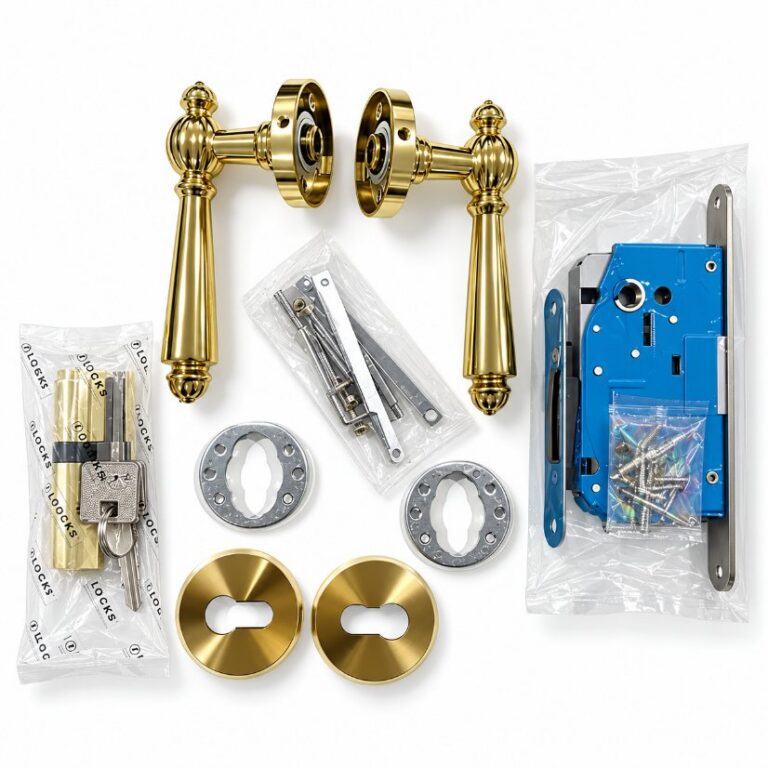
Liangjie Locks lists a Retro Door Split-Type Lock and shows gold-coloured handles and round plates alongside other components. The design reference and the appearance reference serve different purposes. A buyer can select a design while still needing the supplier to confirm the proposed surface appearance for the ordered version.
Start with the catalogue link and ask the supplier to identify the version represented by the proposed sample. Record any supplier finish code as a reference rather than interpreting the code as a material or process guarantee. If several appearance options are being discussed, keep each option linked to its own clearly identified sample or supplier description.
Describe what the buyer wants to compare
Separate colour from sheen and visible texture. A description such as gold can leave uncertainty about the intended appearance. Ask the supplier how it proposes to describe the selected option and whether a physical reference is available for approval. Do not invent a universal colour tolerance or assume that a screen image represents the final supplied appearance.
Photographs can help communicate a difference, but lighting, reflections and viewing conditions affect what they show. When a visual decision matters, ask how the supplier recommends comparing the sample and retain the agreed approach. Keep that practical discussion focused on appearance; it does not by itself demonstrate corrosion resistance, wear performance or the identity of a coating process.
Name the visible components covered by approval
A split-design lock can present more than one visible element in a catalogue scene. Ask the supplier which components belong to the selected version and which of their surfaces are covered by the appearance approval. A sample of one visible piece should not automatically be treated as approval of every component or every concealed surface.
Approval record | Buyer question | Useful supplier response
Design identity | Which version does this sample represent? | Named catalogue or item reference
Appearance identity | Which proposed surface option is selected? | Supplier description and sample reference
Visible component scope | Which pieces and surfaces are covered? | Marked component view or written schedule
Visual comparison | How should a difference be presented? | Agreed reference and comparison approach
Change control | What happens if the appearance option changes? | Revised reference requiring buyer review
Distinguish the sample surface from coverings and packaging
Ask the supplier to identify any temporary covering, presentation packaging or other feature that could affect the visible appearance of a sample. Do not decide from a photograph that a coloured area is necessarily the final decorative surface. The supplier should explain which view or sample condition represents the appearance being offered.
Keep packaging questions separate from finish approval. A bag shown beside a component may be useful context, but it does not confirm how the order will be packed or which protective measures are included. If the buyer needs a particular handling or packing arrangement, describe the proposed requirement and ask whether the supplier offers it. Do not treat an attractive catalogue presentation as an agreed packing specification.
Record differences without inventing a technical cause
When a proposed sample differs from the selected appearance, describe the visible difference and identify the affected component. Ask the supplier to respond against the retained reference. Avoid diagnosing a material substitution or finish-process change solely from a photograph. Such conclusions require their own supporting information.
A supplier may propose a revised appearance option or explain that the original discussion covered a different version. Keep that explanation with the purchasing record and ask the buyer to review the proposal explicitly. Silence should not convert an alternative into an approved replacement. The aim is a clear agreement on the offered appearance, not a technical claim that the catalogue cannot support.
Keep one approved reference for repeat discussions
Retain the approved sample identifier, the selected design reference and the component scope together. Use those identifiers when discussing a repeat order. If a new sample is proposed, state whether it is intended to reproduce the retained appearance or to replace the approval reference. This keeps an ordinary repeat inquiry from becoming an undocumented design change.
Ask the supplier how it identifies the selected appearance option on the quotation or order acknowledgement. Keep the supplier’s agreed method in the record rather than assuming a marking service or stock programme exists. The receiving team can then compare the delivered reference with the purchasing description while escalating any unresolved difference through the agreed commercial process.
• Separate the chosen design from its proposed appearance option.
• Name the visible components included in the approval.
• Retain an identified supplier-agreed sample reference.
• Ask for explicit review when the appearance reference changes.
Frequently asked questions
Does a gold-coloured lock photograph prove a gold material or coating?
No. Colour is a visual observation. Material identity and finish process need separate supplier documentation if they are requirements of the order. The photograph should not be used as evidence of composition or performance.
Can one handle sample approve every visible part?
Ask the supplier which components the sample represents. Approval should identify the relevant pieces and surfaces, especially when a catalogue scene contains several separate decorative elements or associated components.
What should the buyer send when a sample looks different?
Identify the sample, affected component and retained approval reference, then describe the visible difference. Ask for a supplier response without assuming a technical cause that has not been established.
How should an approved finish be referenced on a repeat order?
Use the agreed design, appearance and sample identifiers together. Request a revised approval if the supplier proposes a different option; do not rely on a generic colour word or an older catalogue photograph alone.
Product and contact references
Split-type lock catalogue reference: https://ljlocks.com/product/retro-door-split-type-lock/
Related split-design lock catalogue: https://ljlocks.com/products/?product_filter=%e5%a4%8d%e5%8f%a4%e9%97%a8%e5%88%86%e4%bd%93%e9%94%81
Contact Liangjie Locks: https://ljlocks.com/contact/
Liangjie Locks blog: https://ljlocks.com/blog/